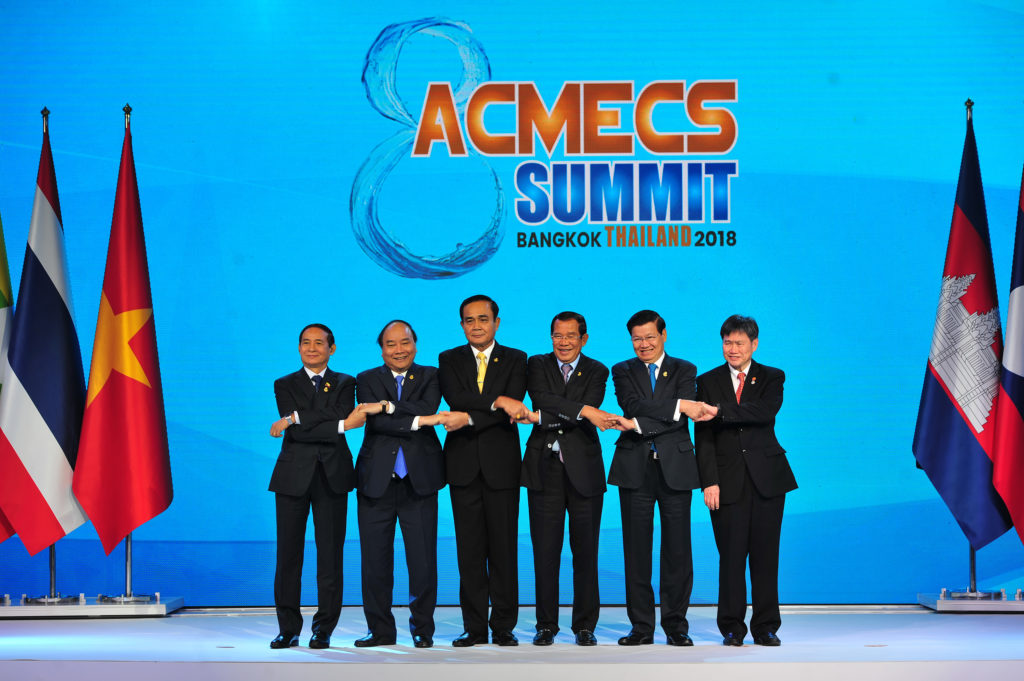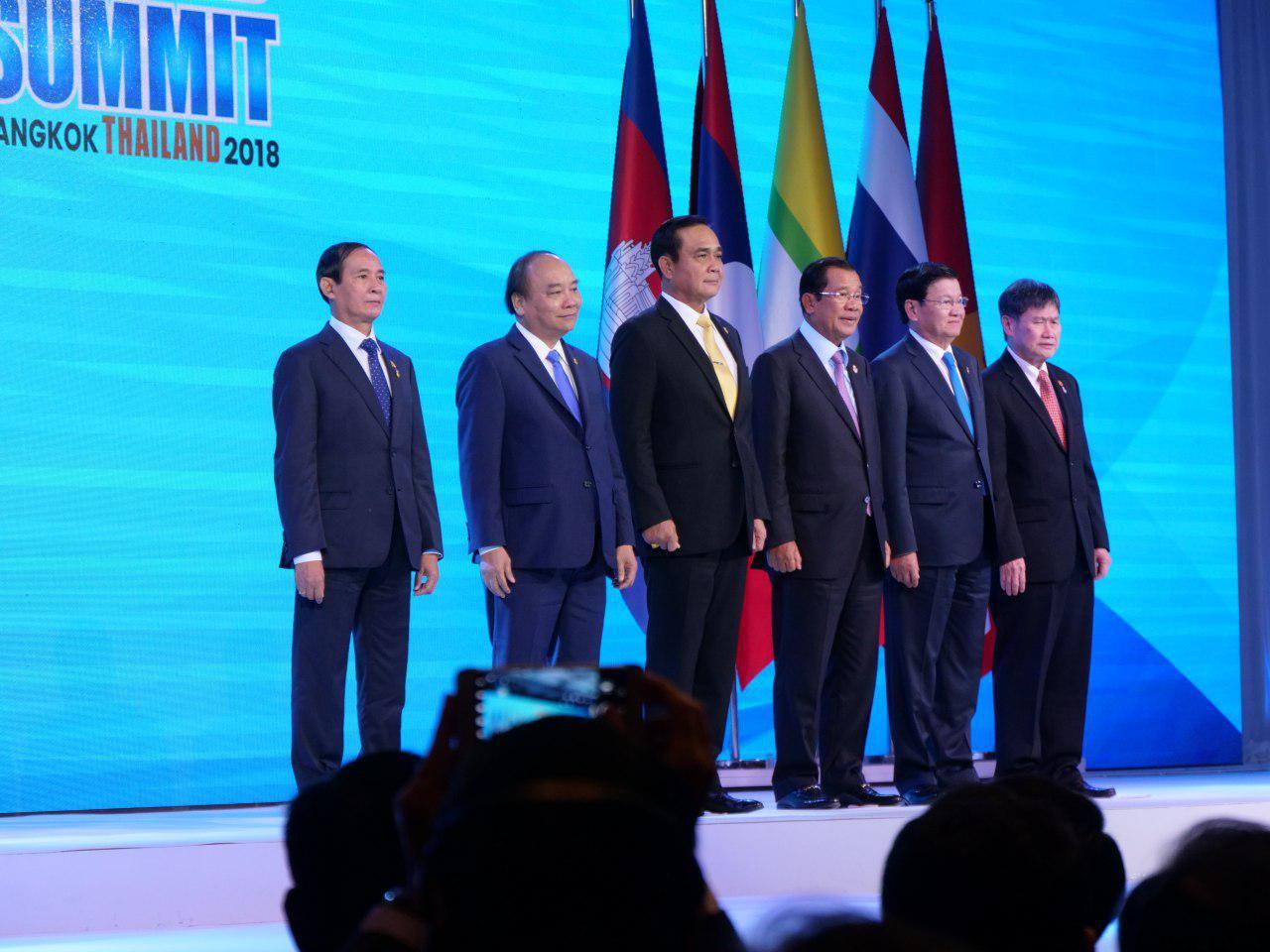
Explore ACMECS

Articles

Misty mountains rising above the Mekong River, with the title “ACMECS Development Fund: Cooperation-Driven Mechanism for Shared Prosperity”
Article

ACMECS Development Fund: Cooperation-Driven Mechanism for Shared Prosperity

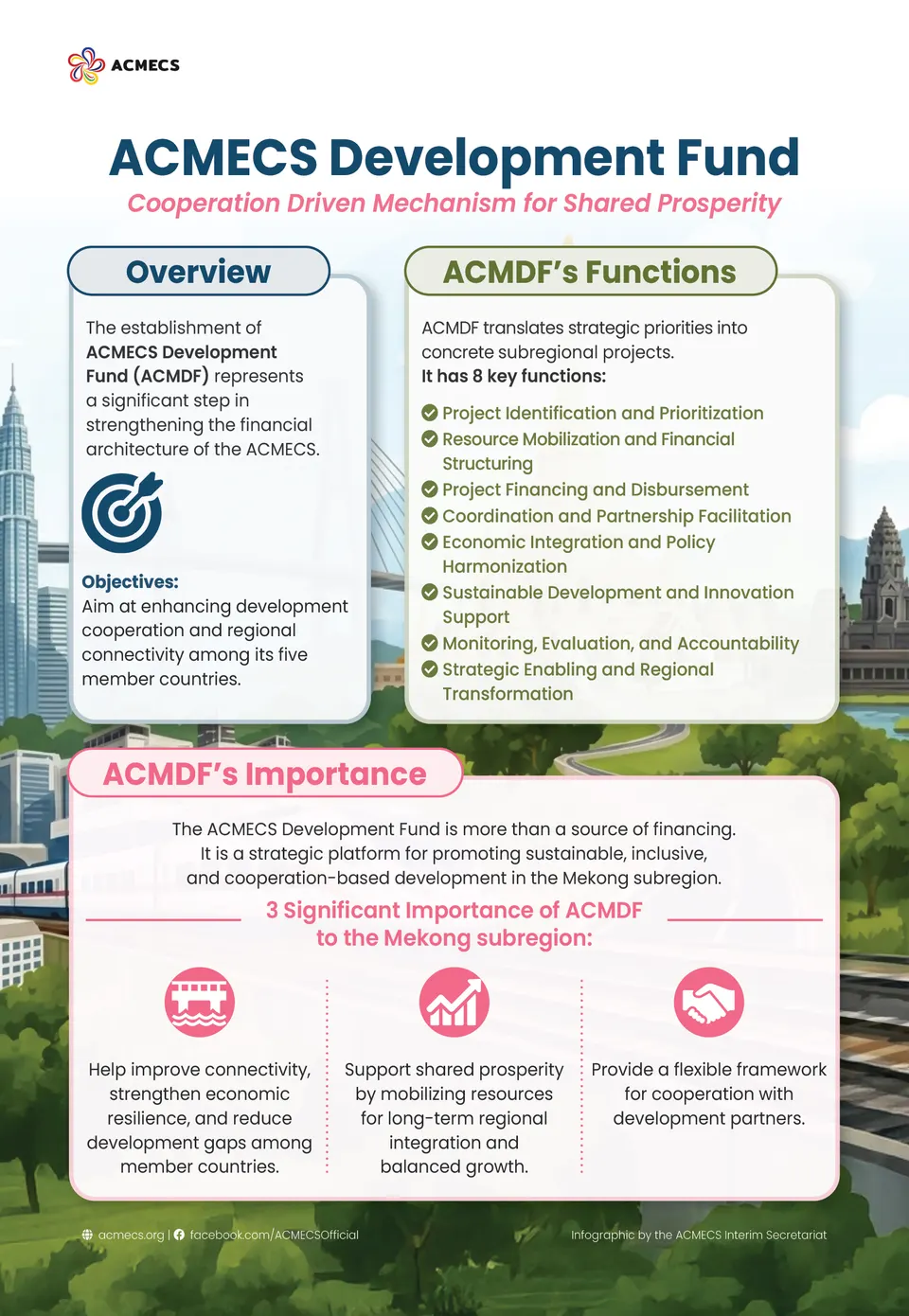
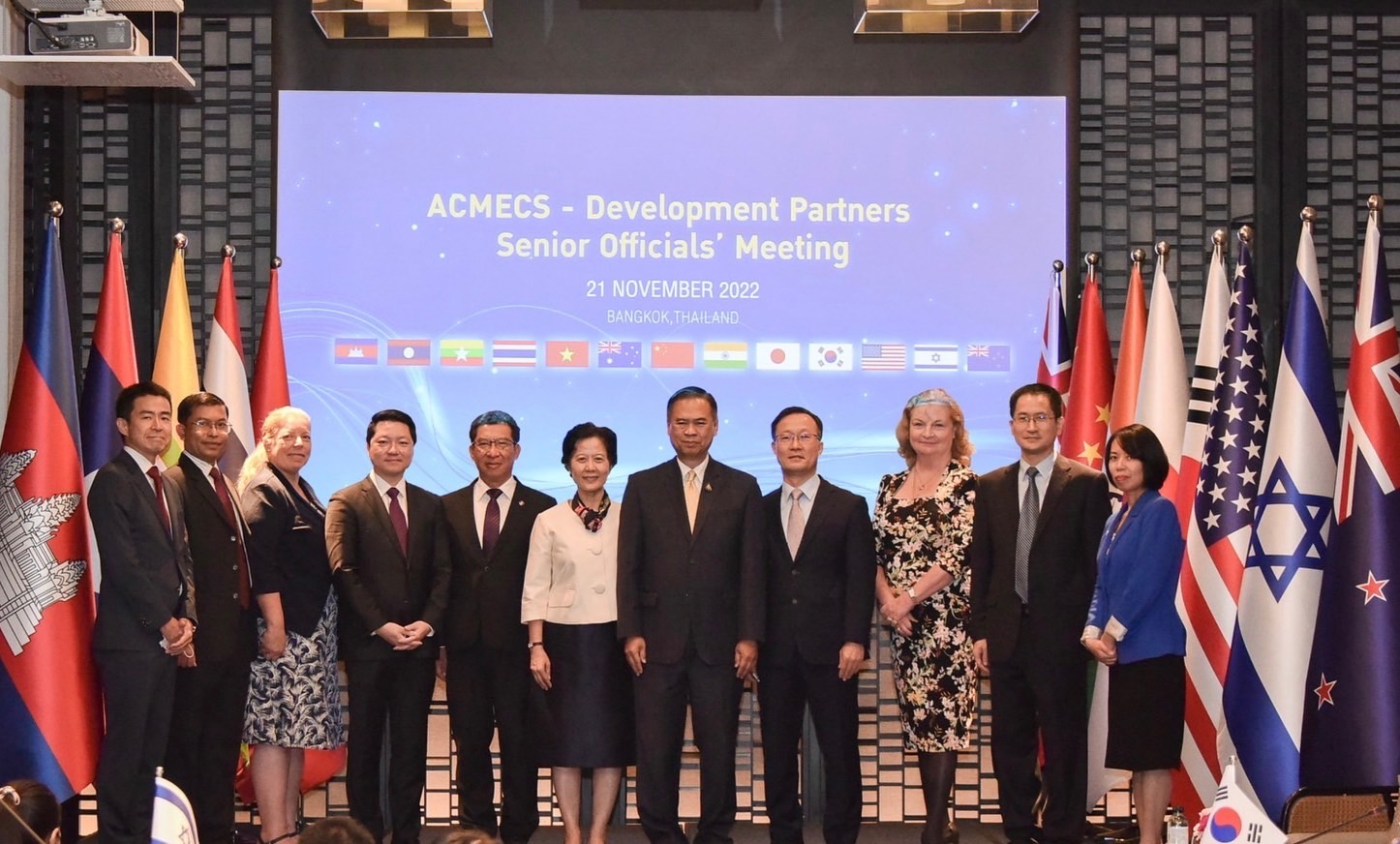
The Fund is also important because it provides a flexible framework for cooperation with development partners. Partners can support ACMECS in several ways, such as funding specific projects, creating country-focused funding arrangements that match their own priorities, or contributing to a common regional pool. This flexibility makes the Fund attractive to external partners and helps align their expertise with the needs of the Mekong subregion.

Cargo boats on the Mekong at sunset, with the title “Example and Success of Ongoing Projects in ACMECS Framework”
Article

Example and Success of Ongoing Projects in ACMECS Framework

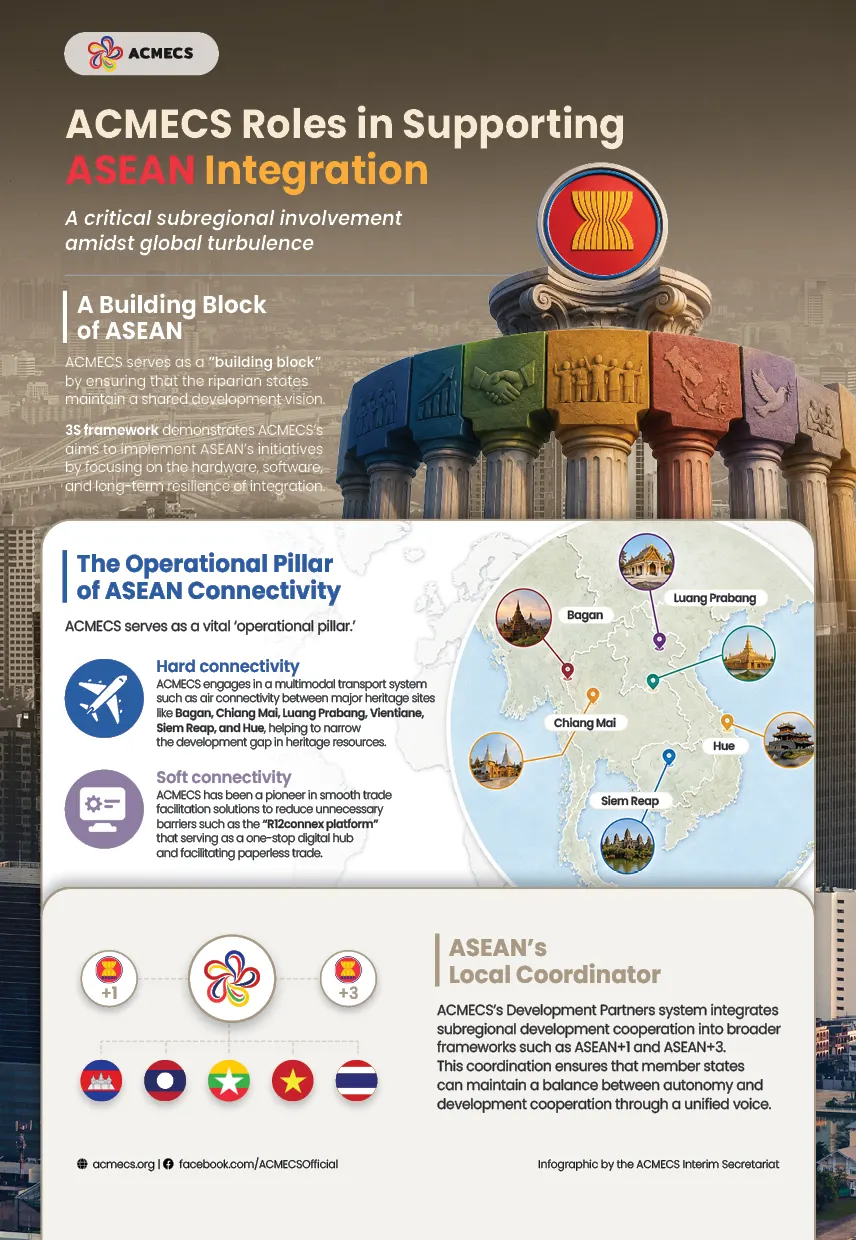
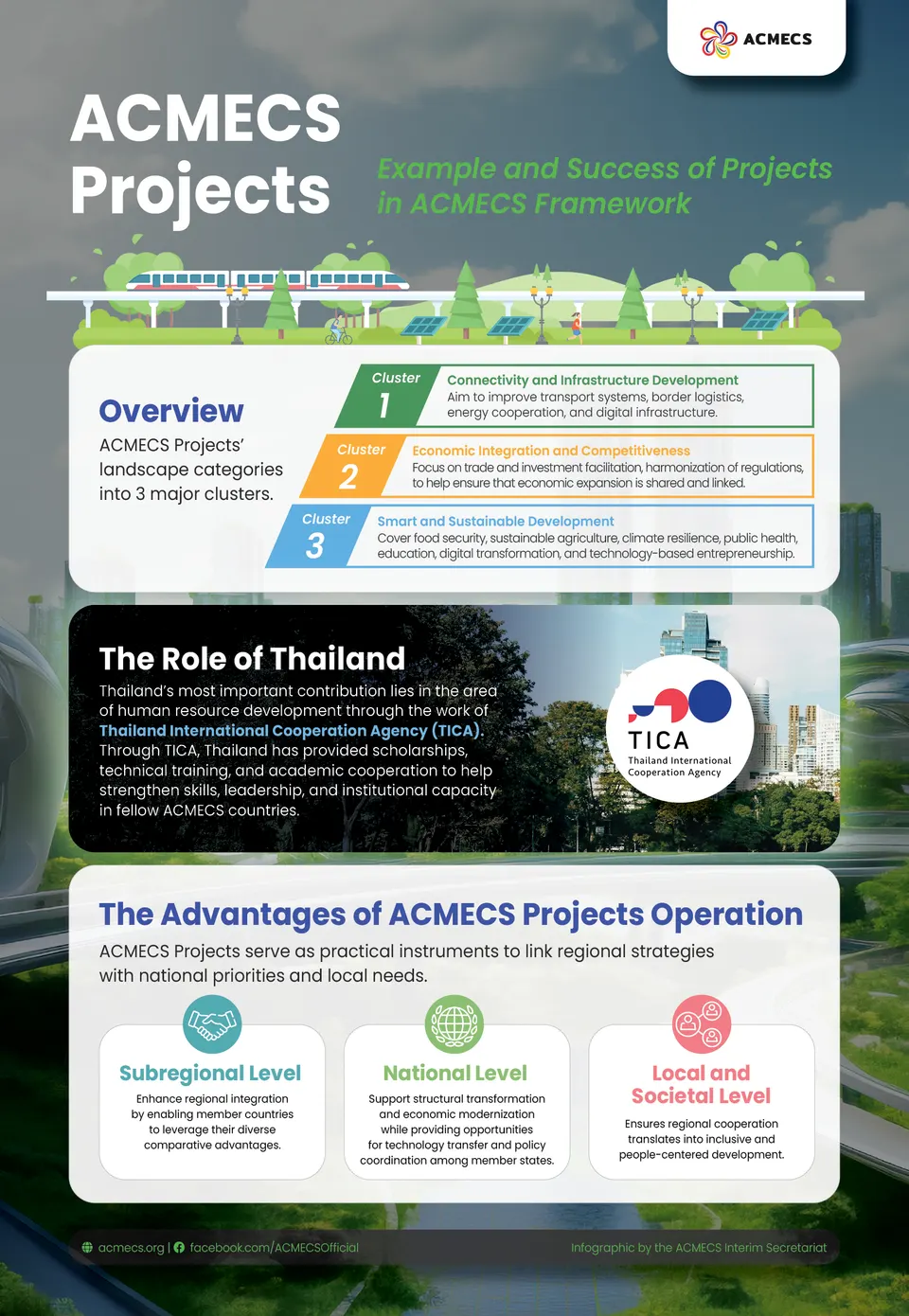
At the local and societal level, the benefits of ACMECS projects become more visible in everyday life. Cooperation in sectors such as education, health, energy, and climate adaptation further strengthens social well-being and community resilience. In particular, the growing emphasis on ‘soft connectivity’—including knowledge exchange, human resource development, and people-to-people links—ensures that regional cooperation translates into inclusive and people-centered development.
Two fishermen on a bamboo raft silhouetted against the Mekong at sunset, with the title “ACMECS Development Partners (DPs): Roles of ACMECS Partners for Prosperous Development”
Article

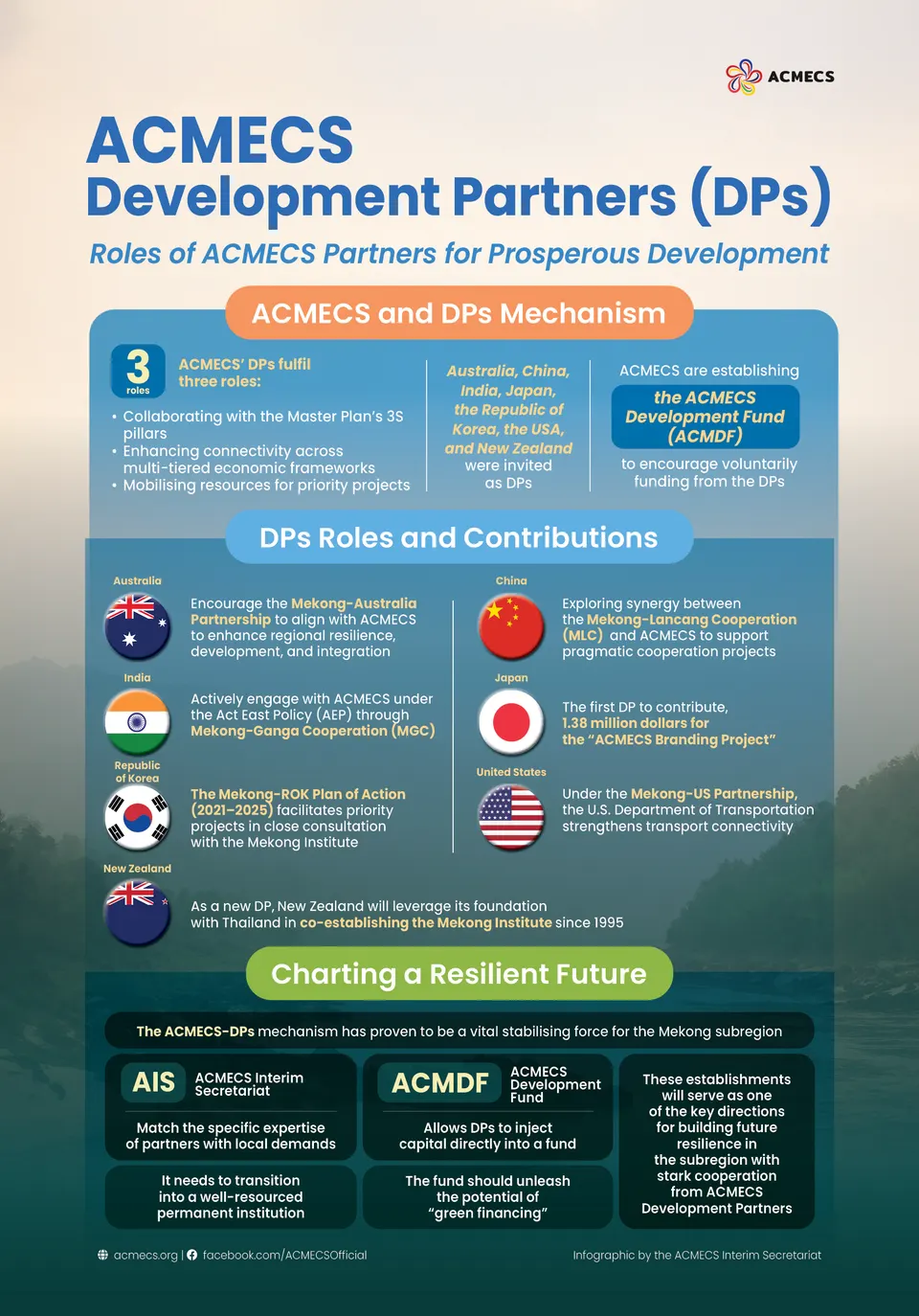
ACMECS Development Partners (DPs): Roles of ACMECS Partners for Prosperous Development

ACMECS is no longer just a “bridge”—it’s the air traffic controller for Mekong development. By institutionalizing the Development Partner framework, the five riparian nations have successfully turned geopolitical interest into a diversified portfolio of assets. With the new ACMECS Interim Secretariat (AIS) providing leadership and the Development Fund (ACMDF) securing millions in “green and digital” investment, the region is moving away from aid dependency toward a sophisticated, co-financed future. In the face of the AI revolution and climate shifts, ACMECS is proving that regional unity is the ultimate leverage.
A boat on a calm river at dusk, with the title “Current Challenges of ACMECS: Water Resources Management, Transboundary Pollution, and Transboundary Crime”
Article

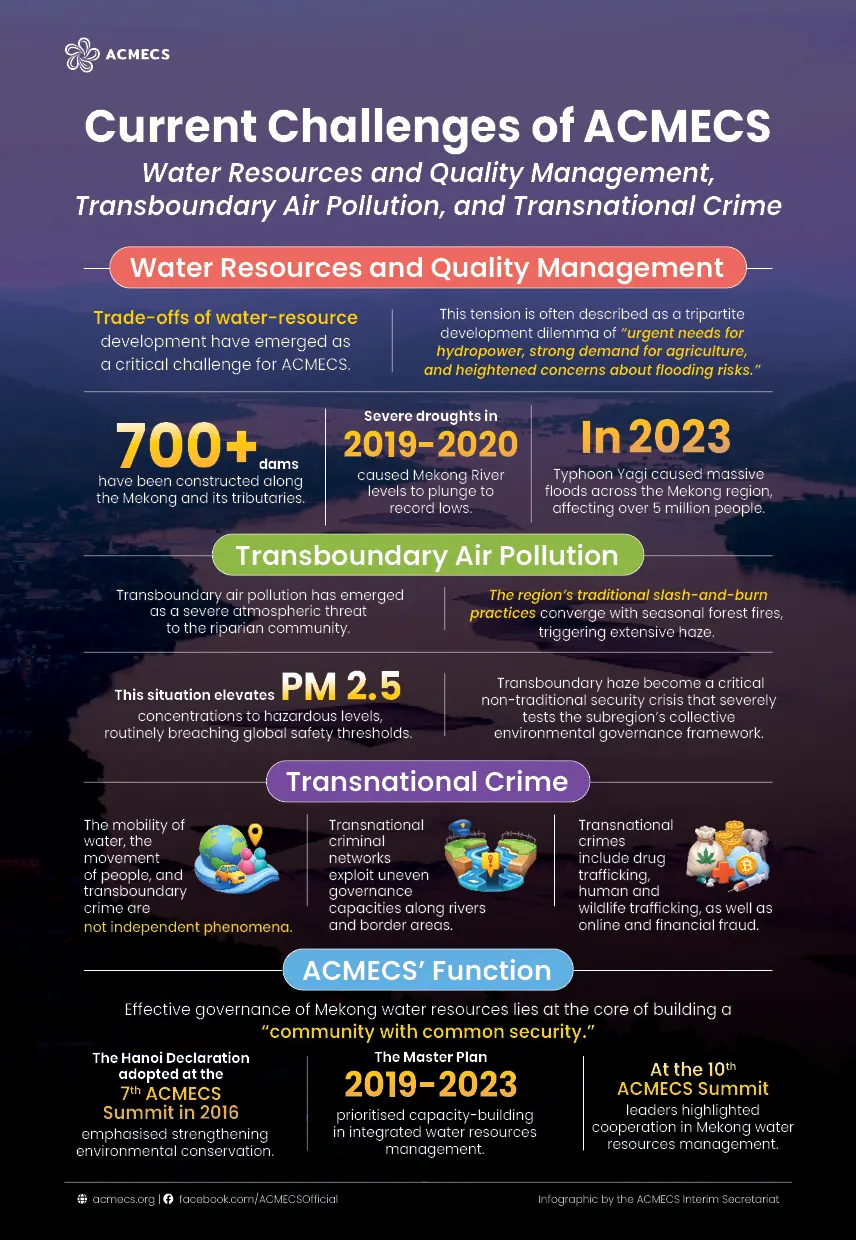
Current Challenges of ACMECS: Water Resources Management, Transboundary Pollution, and Transboundary Crime

The Mekong is no longer just a waterway; it is a complex corridor of non-traditional security risks. As climate change and rapid industrialization converge, the ACMECS region faces a unique “water-related” domino effect. From the record-breaking floods of Typhoon Yagi to the staggering outflow of plastic waste into the Pacific, environmental instability is driving economic desperation. This vulnerability, in turn, fuels transnational criminal networks that exploit porous borders. To thrive, the “Connected Mekong Community” must move beyond infrastructure, integrating water management and human security into a single, data-driven shield for its 230 million citizens.

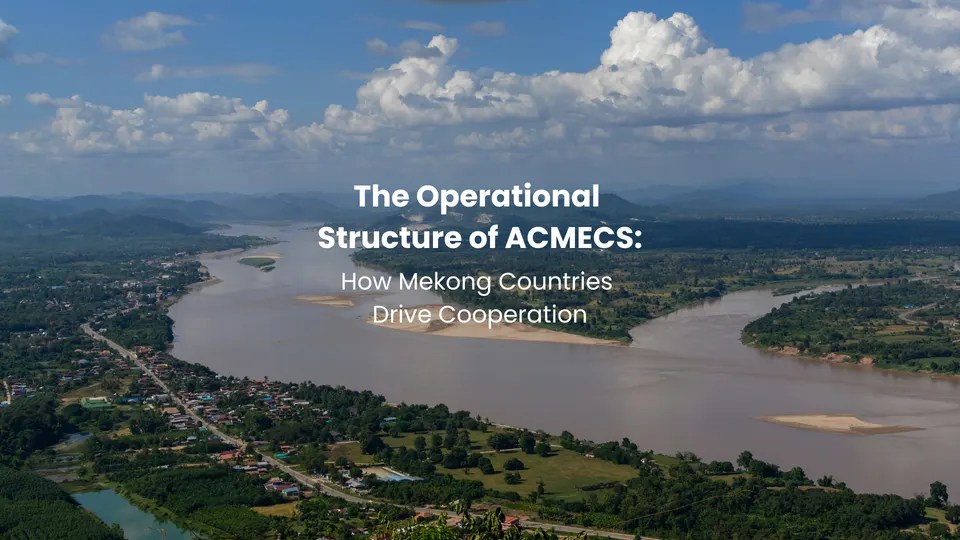
Aerial view of the Mekong River and a riverside town, with the title “The Operational Structure of ACMECS: How Mekong Countries Drive Cooperation”
Article

The Operational Structure of ACMECS: How Mekong Countries Drive Cooperation

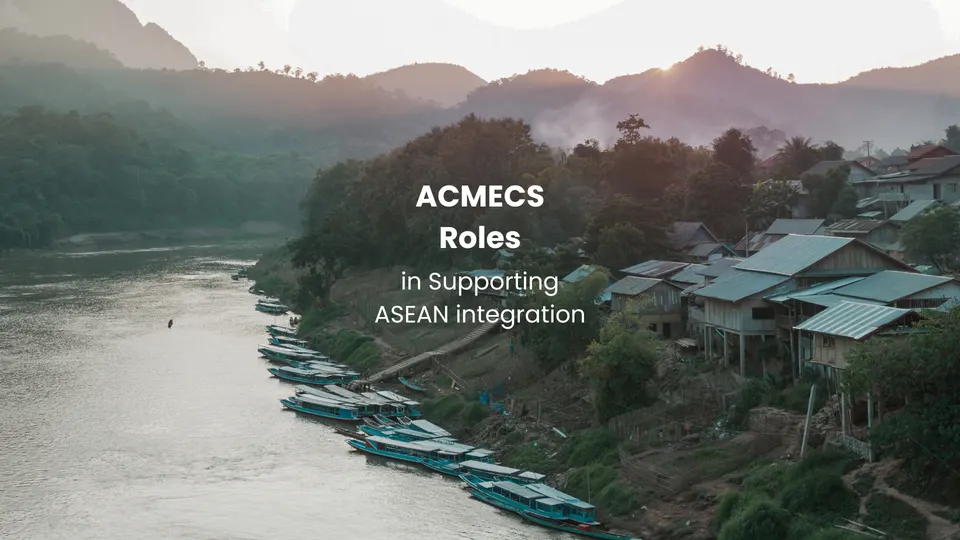
ACMECS has evolved into one of the Mekong region’s most practical and dynamic cooperation frameworks, linking political direction with on-the-ground action. Through its multi-layered structure—ranging from the Leaders’ Summit to technical working groups—ACMECS enables the five Mekong countries to coordinate policies, implement cross-border projects, and strengthen regional resilience. Guided by the three pillars of the ACMECS Master Plan, the framework continues to drive shared development, connectivity, and stability across mainland Southeast Asia.

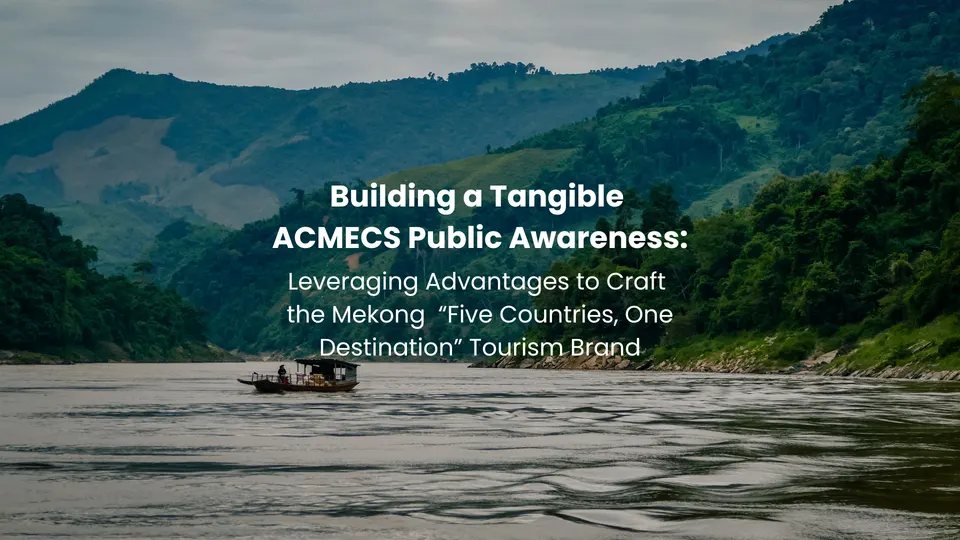
A small boat on the Mekong River beneath forested mountains, with the title “Building a Tangible ACMECS Public Awareness”
Article

Building a Tangible ACMECS Public Awareness: Leveraging Advantages to Craft the Mekong “Five Countries, One Destination” Tourism Brand

The Mekong region is entering a new phase of cooperation under ACMECS, where tourism becomes more than an economic driver—it becomes a shared identity. By leveraging cultural heritage, expanding cross-border connectivity, and advancing joint visa and marketing initiatives, the “Five Countries, One Destination” vision is transforming the region into a seamless and unified travel experience. Through coordinated efforts in energy, technology, products, talent, and institutions, ACMECS is shaping a stronger public awareness and a collective Mekong future.

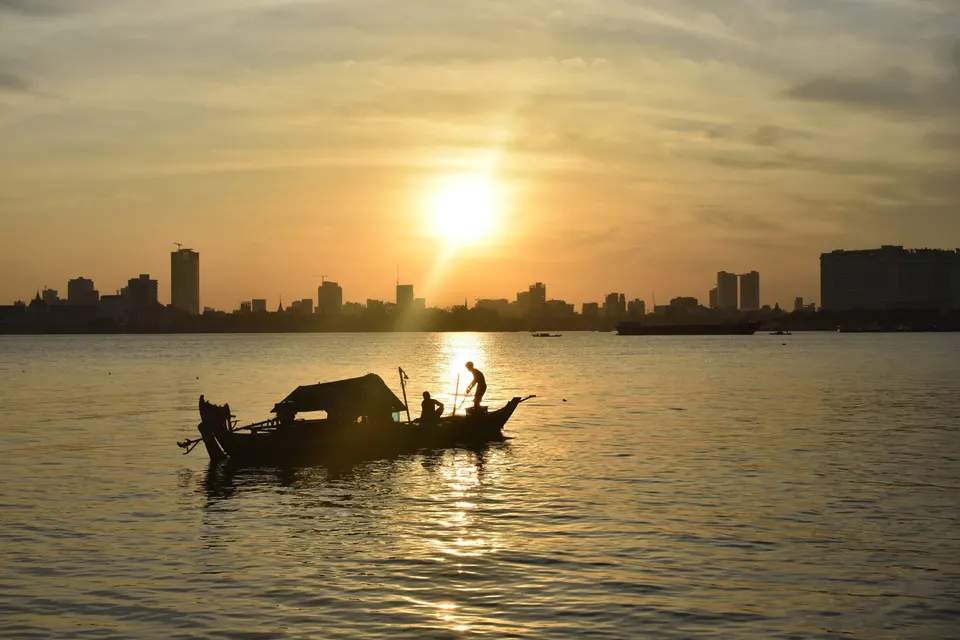
Silhouette of a fishing boat on a wide river at sunset with a city skyline in the distance
Article

ACMECS and its latest development

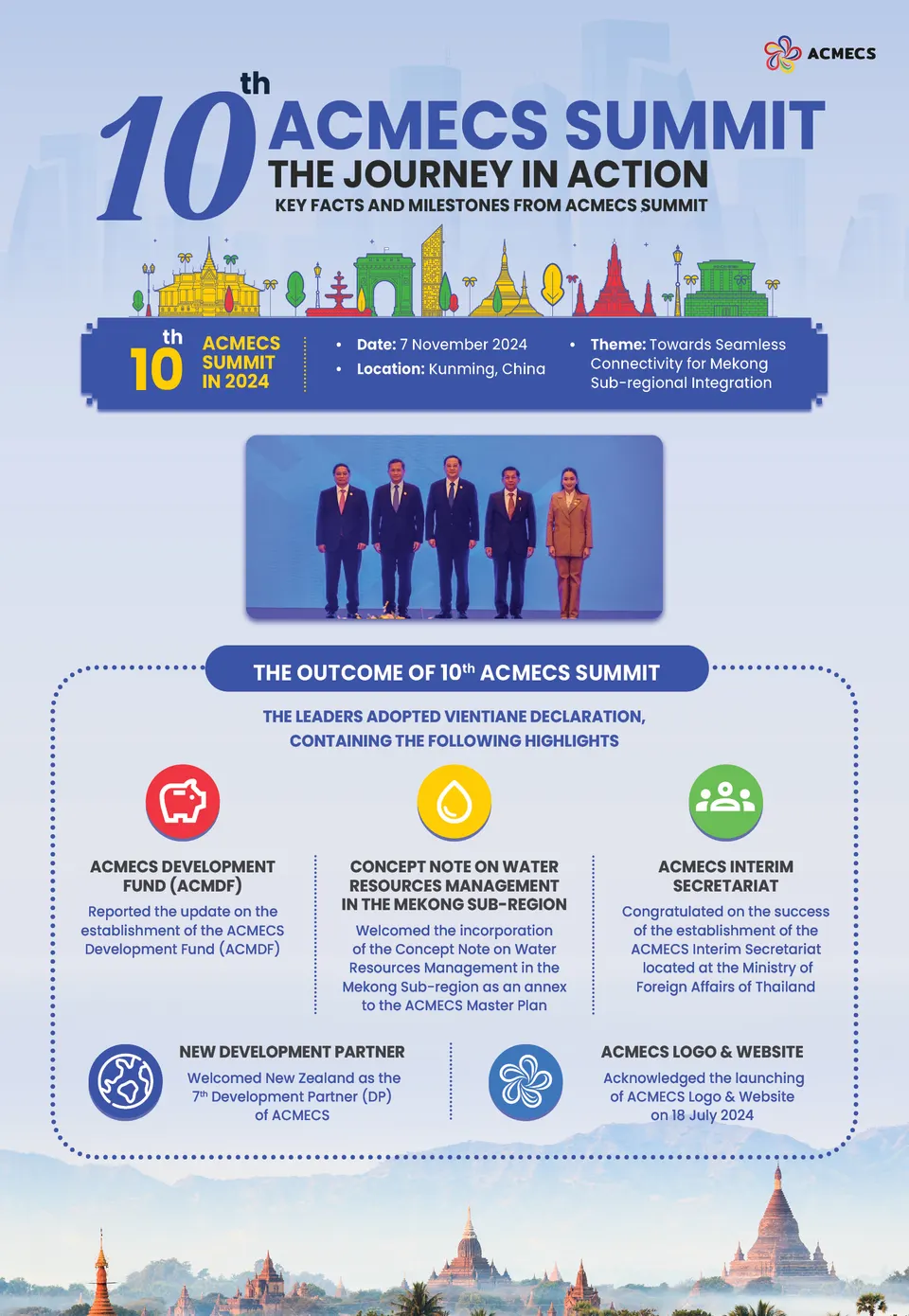
Since 2003, ACMECS has empowered Mekong countries to lead their own path to regional growth. With new milestones like the Interim Secretariat, expanded Development Partners, and a dedicated Development Fund, ACMECS is entering a new era—turning vision into action for a more connected and sustainable Mekong subregion.

ACMECS logo and the words Ayeyawady – Chao Phraya – Mekong Economic Cooperation Strategy over an aerial view of a river and town
Article

Unveiling the ACMECS Logo: A Symbol of Regional Unity and Progress

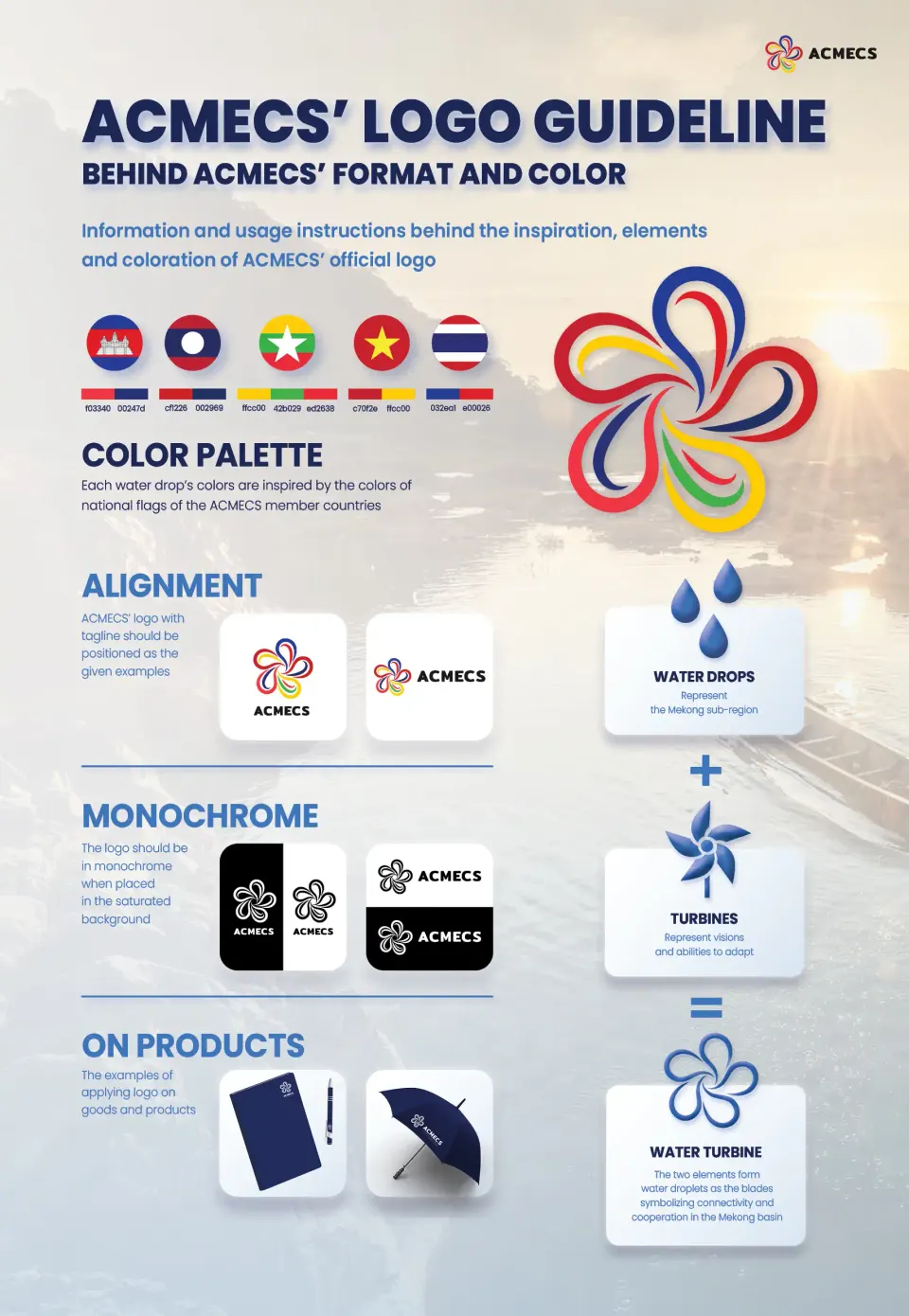
Discover the ACMECS logo, unveiled in July 2024, symbolizing Seamless Connectivity, Synchronized Cooperation, and Smart and Sustainable Development in the Mekong sub-region. The logo, combining water drops and wind turbines, reflects regional unity and resilience, with colors representing Cambodia, Lao PDR, Myanmar, Thailand, and Viet Nam, marking a significant milestone in ACMECS cooperation.

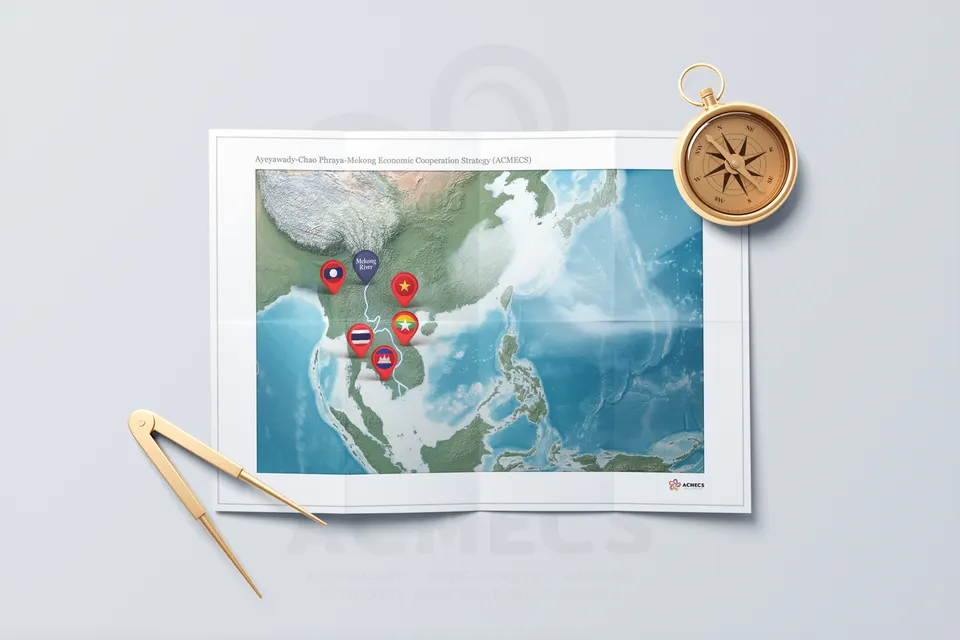
A folded map of the Mekong sub-region with pins for the five ACMECS member countries, beside a brass compass
Article

Driving Regional Prosperity in Southeast Asia

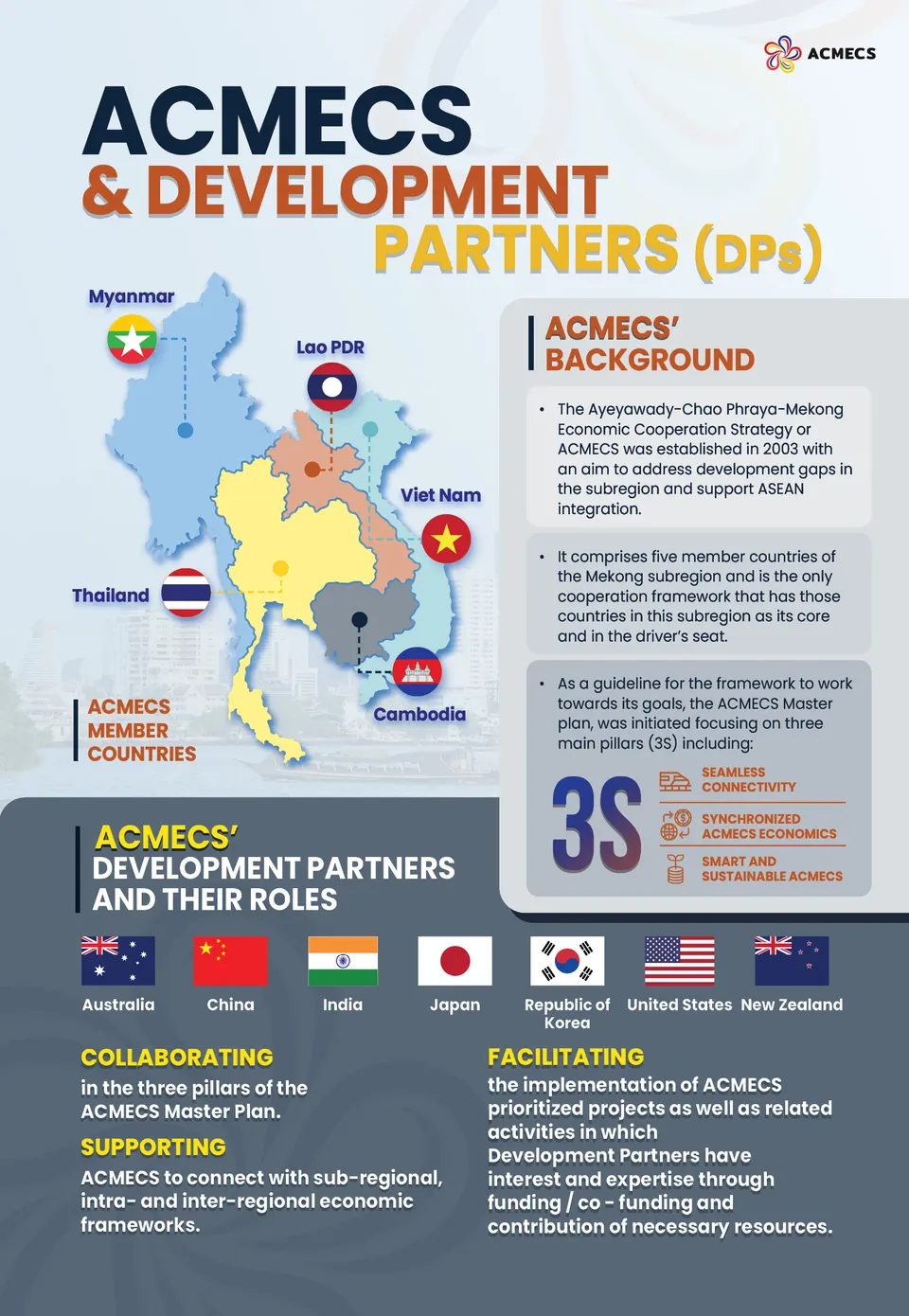
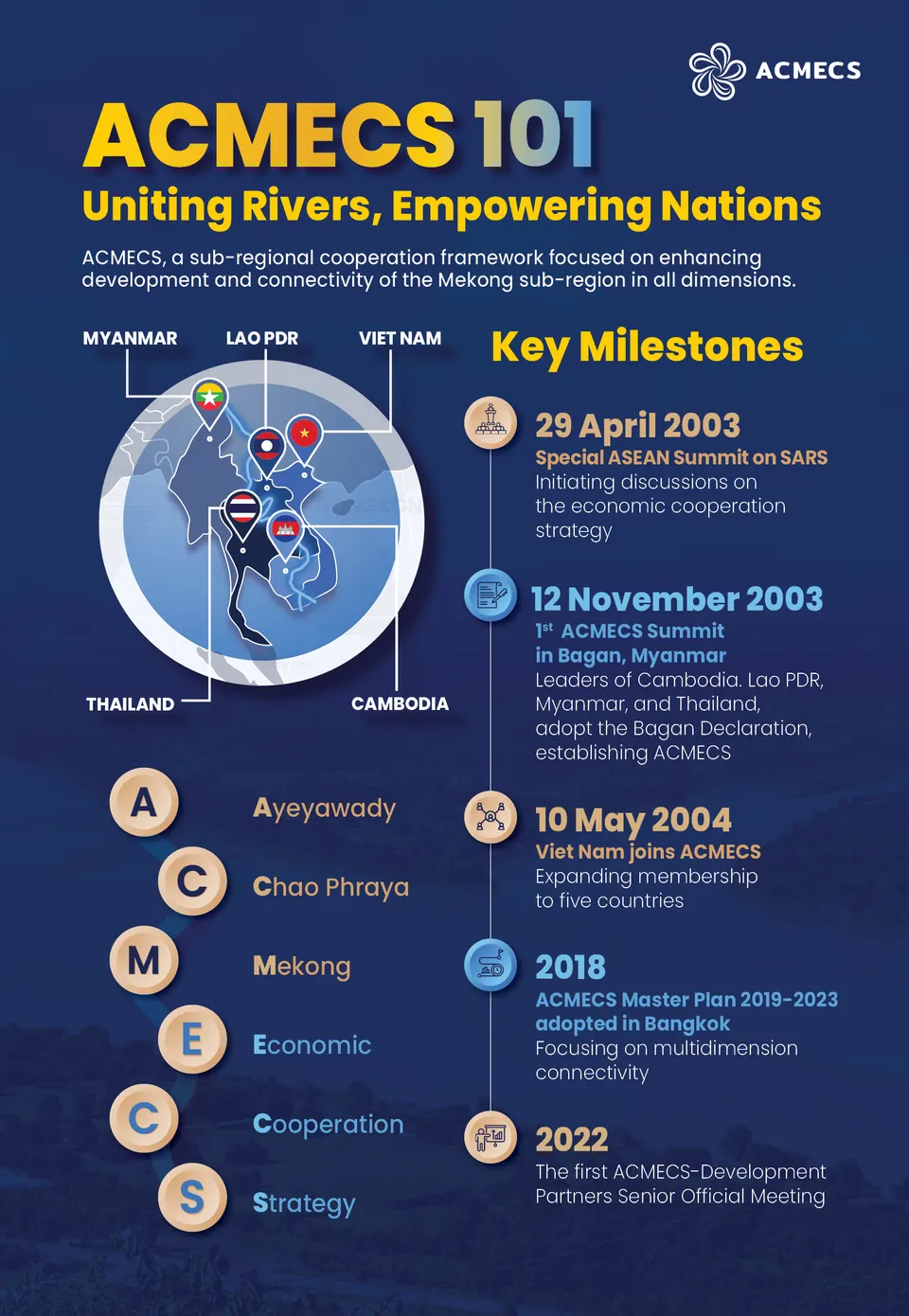
In the heart of Southeast Asia, the Ayeyawady, Chao Phraya, and Mekong rivers converge, binding Cambodia, Lao PDR, Myanmar, Thailand, and Viet Nam in a shared vision of economic cooperation and sustainable development. Established in 2003, the Ayeyawady – Chao Phraya – Mekong Economic Cooperation Strategy (ACMECS) emerged from the Special ASEAN Summit on SARS, culminating in the historic Bagan Declaration. This foundational document set forth to increasing capacities, generating growth, creating employment opportunities and narrowing economic and development gaps between all member countries.

Summits and meetings

Photos